No human being can truthfully claim that they worship Allah with complete perfection. A person cannot say that they fulfill one hundred percent of the rights of worship. Even the beloved Messenger of Allah ﷺ taught us that a servant should never assume that they have fully honored Allah through their deeds. Our acts of worship always contain shortcomings, and therefore humility is essential.
Who in this world can confidently say, “I have fulfilled the complete right of worship”? For this reason, every individual must constantly reflect upon their condition and turn to repentance. A serious question arises: are there sins that remain visible despite repeated attempts to hide them? Especially among young people, there are moments when they become so deeply involved in certain sins that they begin to believe they can never leave them. They think, “This has become too difficult for us to give up.”
However, what seems difficult for humans is extremely easy for Allah. A believer must always keep hope in the mercy of Allah and sincerely pray, “O Allah, save us from sins and grant us the strength to abandon them.” The truth is that when harm becomes clearly visible, a person naturally avoids it. No one goes near a scorpion out of fear of being stung. No one touches fire because they know it burns. No one puts their hand into electricity because the danger is obvious.
Similarly, although a snake may appear beautiful, no sensible person attempts to catch it, because everyone knows it can cause death. When the same certainty enters a believer’s heart—that sin leads to spiritual destruction—then avoiding sin becomes natural. A person is capable of suppressing sinful desires and choosing a righteous life.
The first and most important action for forgiveness is sincere repentance (tawbah). True repentance means feeling genuine regret over one’s sins, seeking Allah’s forgiveness, and firmly resolving never to return to those sins. Allah grants immense blessings through repentance, and it opens doors of mercy that humans cannot imagine.
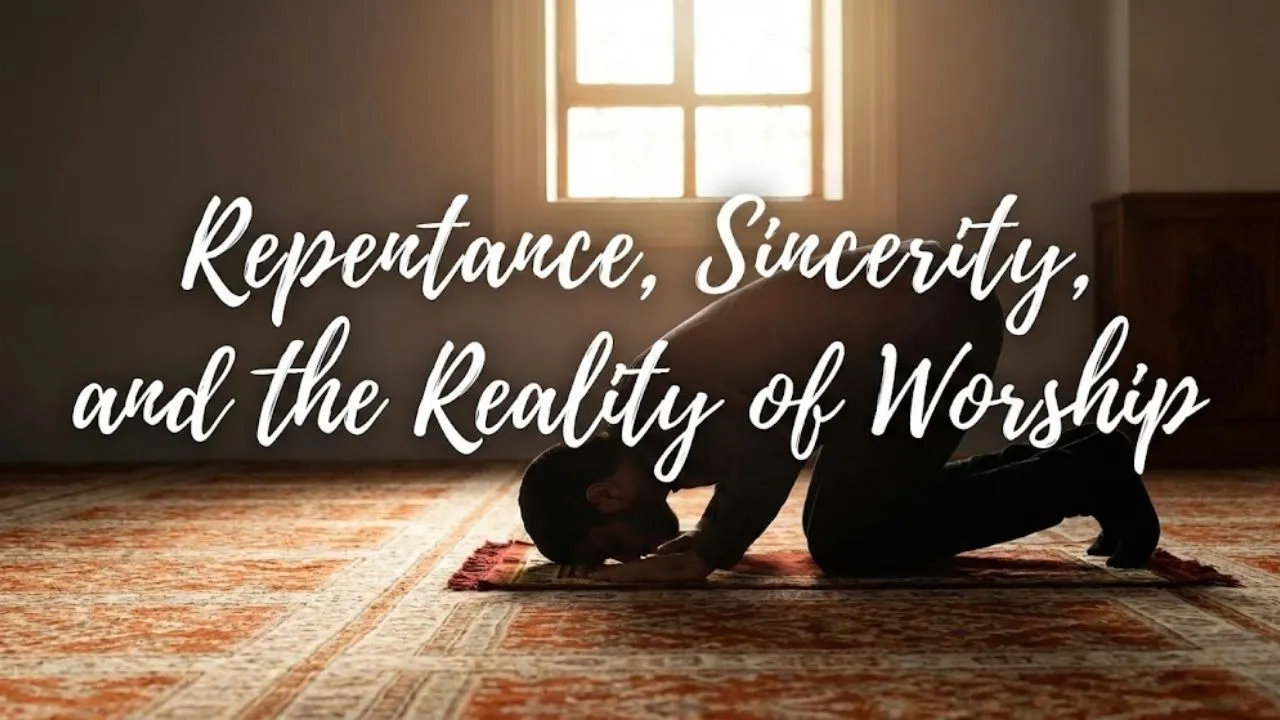
Good deeds also erase sins. Salah (prayer) is such a powerful act of worship that one who prays regularly has their sins washed away just as dirt is removed from the body by bathing five times a day. Along with prayer, remembrance of Allah, seeking forgiveness, charity, and kindness toward others all serve as means for the forgiveness of sins.
Islamic teachings are filled with examples where Allah forgave major sins due to seemingly small acts of goodness. One famous incident from the Children of Israel mentions a woman who gave water to a thirsty dog, and Allah forgave her sins because of that single act of compassion.
Satan deceives people by whispering, “You are already sinful—what benefit is worship now?” This is one of his greatest traps. Even if a person struggles to abandon sin, they must never abandon good deeds. These very good deeds gradually become the reason for leaving sins.
In conclusion, a pure and dignified life is built upon repentance, worship, and righteousness. Allah loves those who return to Him, no matter how sinful they may be. A believer must never lose hope in Allah’s mercy and should continue striving on the path of goodness with sincerity and patience.